


Genesis of Gramin Vikas Sansthan (GVS)
The story of Gramin Vikas Sansthan (GVS) is deeply intertwined with the lived realities of Eastern Uttar Pradesh — a region where poverty, deprivation, and inequality have historically shaped people's lives. The genesis of GVS lies not in the corridors of policy or the offices of urban planners, but in the fields, classrooms, and homes of ordinary people who dared to imagine a better future. It is the outcome of decades of lived experience, social struggles, and the collective will of individuals who believed that transformation must begin from the grassroots.
Roots in Struggle and Hope
For generations, the people of districts like Mau, Ghazipur, and neighboring regions have lived through the sharp contrasts of rich cultural heritage on one side and systemic deprivation on the other. Poverty, caste-based discrimination, gender inequality, poor access to education, and lack of health facilities have defined everyday struggles. For girls and women in particular, life has been marked by early marriage, school dropouts, unpaid labor, and invisibility in decision-making spaces.
The founders and early supporters of GVS were themselves products of these realities. They had experienced hunger, deprivation, and denial of opportunities firsthand. Yet, rather than surrendering to these circumstances, they transformed their pain into purpose. With inspiration drawn from social reformers and a strong belief in the power of education, they envisioned GVS as a platform where communities could come together, organize themselves, and chart their own path of development.
From Individual Resolve to Collective Action
What began as small voluntary efforts — mobilizing communities, supporting children to continue schooling, organizing women's self-help groups, and raising awareness about social issues — slowly evolved into a collective force. GVS was formally established to give structure, vision, and sustainability to this energy.
At its heart, the organization was designed to be people-centric. The idea was not to impose solutions from above but to nurture leadership within the community, especially among adolescents and women. The founders recognized early that real change would only happen when those most affected by deprivation became active agents of transformation.
Responding to the Present Context
Over the years, GVS has grown in both scale and scope. The challenges facing rural communities have also shifted with time. Today, while the old problems of poverty, education, and gender inequality remain, new issues like climate change, migration, and shrinking livelihood opportunities demand urgent attention.
GVS has adapted to these realities by expanding its focus areas:
Adolescent Empowerment and Education
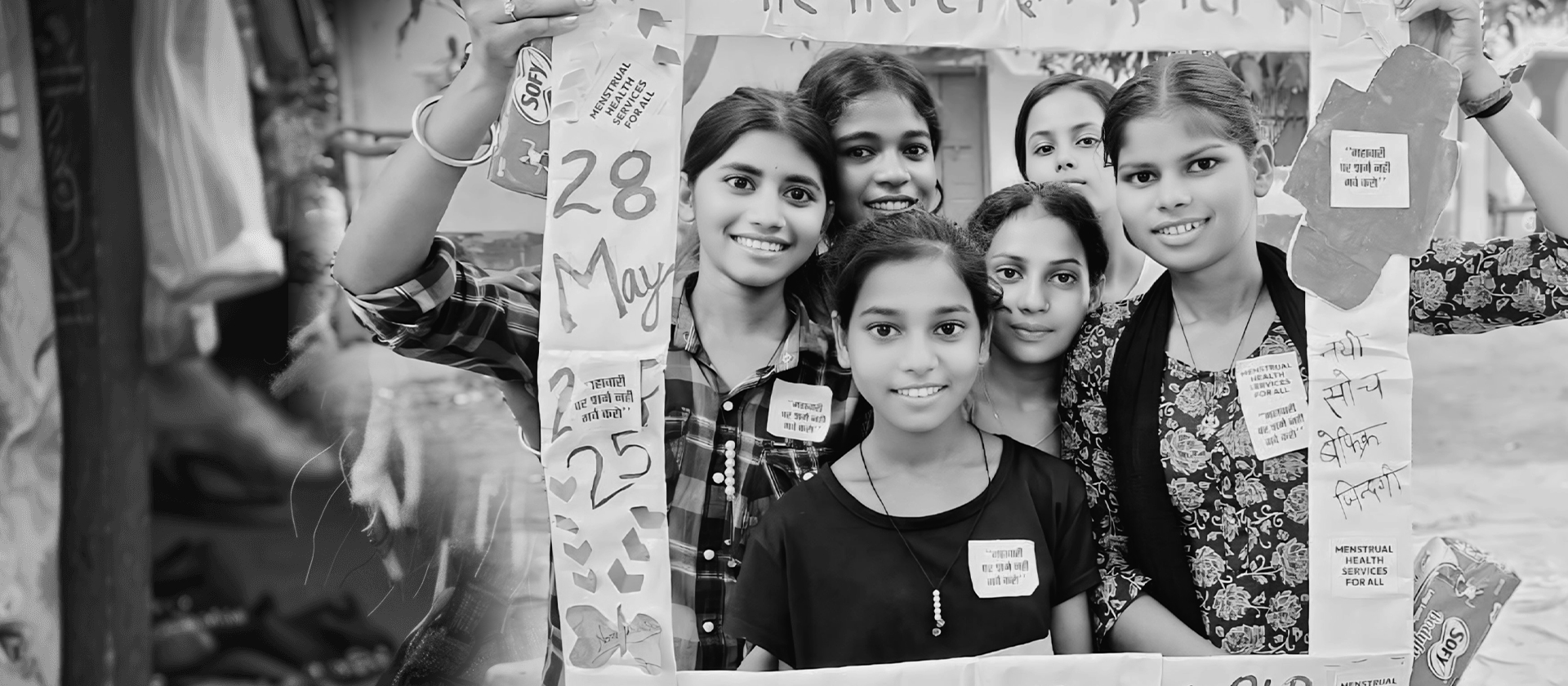
Identifying, enrolling, and supporting out-of-school girls; ensuring retention in schools; and creating safe learning environments.
Women's Rights and Leadership
Strengthening women's participation in social, political, and economic spheres through capacity building and collective organization.
Youth and Constitutional Values
Building youth leadership rooted in democracy, equality, and secular values, while encouraging civic participation and social harmony.
Climate Change and Sustainability
Raising awareness about environmental challenges, promoting renewable energy, water resource management, and sustainable practices in rural life.
By linking these themes, GVS has positioned itself not just as a service delivery organization but as a catalyst for long-term transformation.
A People-Centered Ethos
The ethos of GVS lies in participatory development. The organization strongly believes that external interventions cannot succeed unless communities are meaningfully involved in decision-making. Therefore, every initiative — whether it is enrolling girls in school, organizing awareness campaigns, or introducing renewable energy solutions — begins with dialogue, mobilization, and trust-building within communities.
GVS consciously nurtures local leadership. Young boys and girls are encouraged to dream beyond their circumstances. Women are trained to negotiate with institutions and claim their rights. Youth are prepared to lead conversations on secularism, social justice, and gender equality. This constant emphasis on building community agency has enabled GVS to create ownership and sustainability in its programs.
Partnerships and Collaborations
The journey of GVS has been strengthened by collaborations with national and international partners. The organization has recently partnered with Educate Girls US to focus on out-of-school girls and reduce dropout rates. Similarly, with the support of the European Union, GVS has begun providing training, handholding, and financial assistance to grassroots organizations in Eastern Uttar Pradesh. These partnerships provide resources and technical support, but GVS ensures that the soul of its work remains rooted in community needs and aspirations.
Legacy of Social Commitment
The genesis of GVS is not just organizational; it is also personal. The family roots of the founding members lie in social consciousness and service. For example, the grandfather of one of the key leaders was a respected social worker in the region, while the father dedicated over four decades to community service and adolescent empowerment. This legacy of social commitment has shaped the organizational culture of GVS, where values of integrity, inclusiveness, and justice are non-negotiable.
Relevance in Today's World
In the present time, India stands at a critical juncture. On the one hand, there is rapid technological progress and urban growth; on the other hand, vast rural areas still face the harsh realities of exclusion and underdevelopment. In such a context, organizations like GVS play a vital role in bridging the gap.
By focusing on education, empowerment, and sustainability, GVS addresses both immediate needs and long-term systemic change. For example:
- When a girl is brought back to school, it prevents early marriage, delays childbearing, and opens pathways to economic independence.
- When youth are trained in constitutional values, it strengthens democracy and counters divisive tendencies in society.
- When rural households adopt renewable energy, it reduces their dependence on harmful fuels and contributes to climate action.
Thus, every intervention by GVS is linked not only to local development but also to broader national and global goals such as the Sustainable Development Goals (SDGs).
Looking Ahead
The genesis of GVS is a reminder that real transformation begins with ordinary people who dare to imagine extraordinary change. What started as small acts of courage and compassion has now grown into a structured, professional, and visionary organization. Yet, GVS has not lost its essence — its grounding in community struggles and its faith in people's power.
Looking ahead, GVS aspires to deepen its work with adolescents and women, expand its footprint across districts of Eastern Uttar Pradesh, and strengthen its interventions in climate change and renewable energy. The organization also aims to create platforms where rural youth can emerge as leaders who embody constitutional values and drive social harmony.
In essence, the genesis of GVS is not a closed chapter of the past but an ongoing story of struggle, resilience, and hope. It is a story where communities are not passive recipients of aid but active shapers of their own destiny. As GVS moves forward, it continues to carry the belief that development with dignity is not a privilege but a right — and that every child, every woman, and every community deserves the opportunity to live with equality, justice, and respect.